Understanding Errors and Omissions Insurance in Washington State: A Comprehensive Guide

Imagine running your business smoothly when suddenly, out of nowhere, a dissatisfied client decides to sue for a mistake you didn’t even know you made. Sounds like a nightmare, right? This is where errors and omissions insurance, especially in Washington State, becomes your business’s safety net, ensuring that one mishap doesn’t sink your whole ship.
Errors and omissions insurance, often referred to as professional liability insurance, is your shield against claims of negligence or inadequate work. In Washington State, this type of insurance is not just a good idea; it’s essential for many industries. By understanding its importance and the legal landscape in Washington, you can protect your business from unforeseen setbacks and build a stronger, more resilient operation.
Understanding Errors and Omissions Insurance
Did you know that one mistake could cost your business thousands? In Washington State, Errors and Omissions Insurance is the safety net you need to protect your financial future.
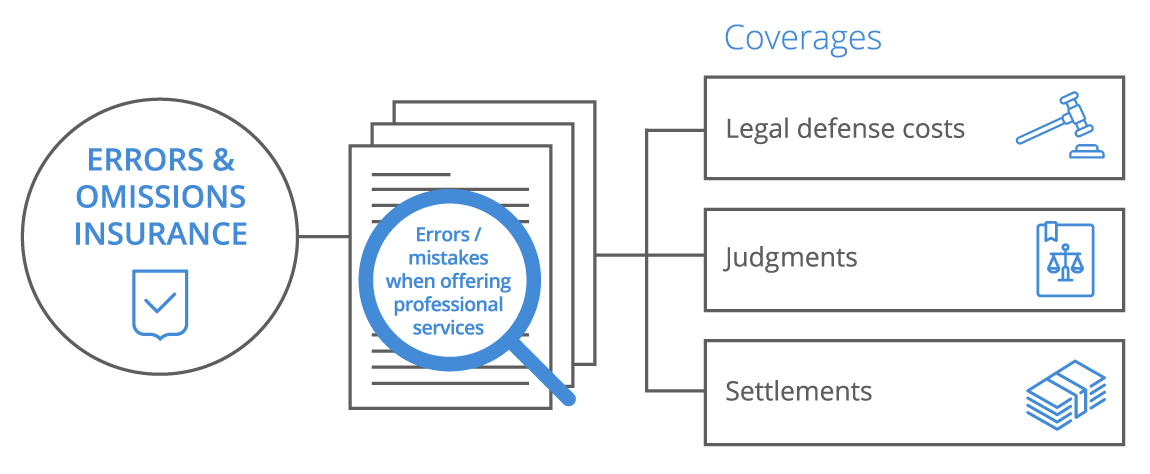
Errors and Omissions Insurance, often called E&O, is like a shield against lawsuits for professional mistakes. It’s crucial in a place like Washington State where regulations and client expectations run high. This insurance covers defense costs and settlements if you’re sued for negligence, errors, or omissions in your professional services.
Industries Relying on Errors and Omissions Insurance
Not sure if your business needs E&O coverage? Here’s the deal: if you offer professional advice or services, you probably do. Industries like real estate, consulting, and technology are just the tip of the iceberg. In fact, any sector where your expertise is the product—think accountants and architects—should consider E&O coverage indispensable.
The protection isn’t just about peace of mind. It’s about staying in business even if a client thinks you dropped the ball. Imagine a real estate agent whose oversight in a contract leads to a lawsuit. Without E&O insurance, that agent could be on the hook for thousands in legal fees.
Typical Coverage Under an Errors and Omissions Policy
So, what exactly does an E&O policy cover? Typically, you’ll find coverage for legal defense costs, settlements, and even judgment amounts. But that’s not all. If you’re found liable for a mistake, the policy can help cover the financial loss resulting from that error.
Here’s a pro tip:
Always read the fine print.
Some policies exclude certain types of claims or cap the amount they’ll pay, which could leave you financially exposed. The specifics matter, so get clear on what’s included—and what isn’t.
Legal Requirements in Washington State

Did you know that in Washington State, certain businesses are required by law to carry errors and omissions insurance? It’s not just a suggestion; it’s a legal obligation.
Understanding these requirements is crucial if you want to avoid hefty fines and legal troubles. The rules can vary widely depending on your industry. But don’t worry, I’ve got you covered.
Business-Specific Insurance Obligations
In Washington State, professional service providers like real estate agents, insurance brokers, and financial advisors are typically required to carry errors and omissions insurance. This ensures they’re protected from claims of negligence or inadequate work. But here’s the deal: even if it’s not mandated for your business, having this insurance can be a lifesaver.
Let’s break it down:
| Business Type | Insurance Requirement | Notes |
|---|---|---|
| Real Estate Agents | Required | Must cover claims related to errors in property transactions. |
| Insurance Brokers | Required | Protection against claims of misrepresentation. |
| Financial Advisors | Required | Mandatory to safeguard against investment advice errors. |
| Consultants | Optional but Recommended | Provides a safety net for professional advice mishaps. |
Recent Legislative Changes
Recently, Washington State has tightened its regulations concerning errors and omissions insurance. Lawmakers have emphasized higher coverage minimums for high-risk industries, providing better client protection. The focus is on transparency and consumer safety, making it imperative for businesses to stay updated.
Pro Tip: Always consult with an insurance expert to ensure your policy meets the latest legal requirements in Washington State. It’s a small step that can save you a lot of trouble.
Keeping track of these changes not only ensures compliance but also enhances your reputation as a trusted business. Clients feel more secure knowing you have proper coverage, which can ultimately lead to more business.
Benefits of Errors and Omissions Insurance
Did you know that 53% of small businesses face a lawsuit every year? And it’s not just the big guys getting sued. Small businesses are increasingly targeted, often for mistakes they didn’t even realize they made. This is where Errors and Omissions (E&O) Insurance comes in handy.
Having E&O insurance can mean the difference between surviving a costly lawsuit or going under. It doesn’t just protect your finances; it protects your reputation and gives you peace of mind. But let’s break it down further.
Protection Against Financial Ruin
Imagine being blindsided by a lawsuit because a client claims you didn’t deliver on your promises. Even if you’re not at fault, legal fees and settlements can be crippling. E&O insurance covers these costs so you can keep your business afloat. It’s like having a financial safety net when the unexpected happens.
Here’s the deal: mistakes happen. But when you have E&O insurance, you can navigate these rough waters without capsizing your business.
Real-Life Scenarios Where E&O Insurance Saved the Day
Think lawsuits are just hypotheticals? Think again. Picture a tech consultant who faced a massive lawsuit because their software had a glitch. The client claimed it caused significant revenue loss. E&O insurance stepped in to cover the legal costs, preventing financial disaster.
Or consider a marketing firm sued for not delivering promised results. E&O insurance not only paid for the defense but also covered the settlement, preserving their business’s integrity.
“Without E&O insurance, we would’ve been drowning in legal fees. It was our lifeline.” – A grateful business owner
Client Confidence Booster
Your clients want to know they’re in good hands. Having E&O insurance shows them you’re serious about your work and prepared for any hiccups. It builds trust and confidence, setting you apart from competitors who might not be as prepared.
Pro Tip: Always inform your clients upfront about your E&O coverage. It can be a powerful selling point!
Cost Factors and Pricing
Do you know what drives the cost of errors and omissions insurance in Washington State? It’s not just about your industry or the level of coverage you need. There are several hidden factors that can significantly impact your premium.
Here’s the deal: variables like your business size, claim history, and even your location can all affect the price of your policy. Understanding these factors means you can make smarter choices when shopping for coverage.
Key Variables Influencing Cost
First up, your industry plays a massive role. For instance, a tech startup might pay less than a financial advisory firm simply because of the perceived risk. Next, your claim history is crucial. If you’ve had previous claims, expect higher premiums. BUT, if you’ve been claim-free, you might snag a discount. Don’t forget about your business size. Larger companies with more clients typically face higher rates.
Average Pricing Ranges
Let’s break down the numbers. Here’s a table of average pricing ranges based on industry and coverage limits:
| Industry | Coverage Limit | Average Annual Premium |
|---|---|---|
| Technology | $1M | $1,000 – $2,500 |
| Consulting | $1M | $1,200 – $3,000 |
| Real Estate | $1M | $800 – $2,200 |
Remember, these are averages. Your specific situation can lead to significantly different quotes.
Comparing Pricing Strategies
When it comes to choosing an insurance provider, not all pricing strategies are created equal. Some providers offer bundled discounts if you purchase multiple types of insurance. Others might have tiered coverage options, allowing you to scale your coverage as your business grows. Pro Tip:
Always compare at least three different quotes to ensure you’re getting the best deal.
This way, you can leverage competition to drive down your premium.
Selecting the Right Insurance Provider

Choosing the right errors and omissions insurance provider can feel like a daunting task. But here’s the kicker: the right choice could save you thousands in the long run.
Finding the perfect match involves more than just comparing rates. You need to dig deeper into what each provider brings to the table. Your goal? Secure a policy that not only fits your budget but also offers comprehensive protection and stellar customer service.
Criteria for Choosing Your Provider
Start by checking their financial stability. An insurance company’s ability to pay claims matters more than you’d think. No one wants a provider that crumbles under pressure.
Dig into their reputation. Look for reviews and testimonials from current or past clients. Are they responsive? How do they handle claims? This is crucial intel.
Finally, assess their industry expertise. Some insurers specialize in certain fields. If they know your industry inside and out, they’re likely to offer better-tailored coverage options.
Negotiating Policy Terms
Don’t be afraid to negotiate. Most insurance terms aren’t set in stone. Here’s the deal: Providers expect you to haggle a bit.
First, know exactly what you need. Are there specific endorsements or add-ons that could bolster your coverage? Use this knowledge as your bargaining chip.
Remember to ask about discounts. Some providers offer lower rates for bundling policies or maintaining a claim-free history.
Checklist for Evaluating Insurers
Use this checklist to gauge the credibility and reliability of each potential insurer. A thorough evaluation ensures you don’t miss out on critical coverage elements.
- Check their financial ratings with agencies like A.M. Best or Standard & Poor’s.
- Review customer service ratings and claims handling efficiency.
- Ensure they offer tailored coverage for your specific industry.
- Verify their licensing and compliance within Washington State.
- Confirm that they have a clear and straightforward claims process.
- Ask for references or speak directly with past clients.
Pro Tip: Always get at least three quotes before making a decision. This not only helps you gauge the market but also strengthens your negotiation position.
Claim Process and Management
Did you know that nearly 30% of all insurance claims are denied due to improper filing? Navigating a claim with your errors and omissions insurance can feel like walking through a maze. Let’s make it crystal clear.
Filing a claim under an errors and omissions insurance policy requires precision and timing. First, you need to report the incident to your insurer immediately. From there, document everything: emails, contracts, conversations—anywhere the error might have stemmed from.
Steps to File a Claim
Here is the deal: Filing a claim isn’t just about paperwork. It’s about getting everything right from the get-go. Step #1: Notify your insurer as soon as you detect a potential claim. Delays can be costly. Step #2: Gather all relevant documentation. This includes contracts, emails, and internal notes. Step #3: Fill out the claim form meticulously, ensuring every detail matches your documentation.
Effective Claim Management
Managing your claim effectively can significantly impact the outcome. Keep the communication lines open with your insurer. Regular updates can help prevent misunderstandings. Use a dedicated folder to organize all claim-related documents, making it easy to access what you need when you need it.
Common Mistakes to Avoid
Many policyholders trip over the same hurdles. The biggest? Not reading the fine print. Pro Tip: Always review your policy thoroughly before filing a claim. Another pitfall is underestimating the value of documentation. Document everything, even if it seems trivial. It could be the piece that tips the scales in your favor.
Conclusion
So, whether you’re a seasoned business owner or just starting out, ensuring you have the right errors and omissions insurance in Washington State is crucial. Not only does it safeguard your financial future, but it also offers peace of mind, knowing that your hard-earned business is protected from unexpected claims. Don’t wait for the unexpected to happen; be proactive and secure your business’s future today.
Q&A
What is errors and omissions insurance?
Errors and omissions insurance is a type of professional liability insurance that protects businesses against claims of inadequate work or negligent actions.
Is errors and omissions insurance mandatory in Washington State?
While not mandatory for all businesses, certain industries and professions in Washington State may require errors and omissions insurance by law.
What industries commonly require errors and omissions insurance?
Industries such as real estate, insurance, legal, and financial services often require errors and omissions insurance.
How much does errors and omissions insurance cost in Washington State?
The cost varies based on the industry, coverage limits, and the provider. It’s best to compare quotes from multiple insurers.
How do I file a claim for errors and omissions insurance?
To file a claim, contact your insurance provider immediately, gather all relevant documentation, and follow the procedures artikeld in your policy.