If you’re a small business owner, then you know that every day is a rollercoaster. There are highs, lows, and everything in between. But here’s the thing: while you’re out there breaking records and tackling challenges, the last thing you want to worry about is what happens when things go south. Enter the superhero cape for every business owner – small business insurance. This isn’t just any red tape; it’s your safety net, your financial guardian angel.
Just imagine this: You’re running your dream business, and out of nowhere, disaster strikes. It’s the kind of scenario that keeps entrepreneurs awake at night. But here’s the good news – with the right insurance policy in place, you can sleep peacefully, knowing that you’re prepared for any curveball life throws your way. Let’s dive into the essentials of small business insurance and why it’s the unsung hero in your business toolkit.
Introduction to Small Business Insurance

Did you know that 40% of small businesses never reopen after a disaster? It’s a startling statistic that underscores the critical importance of having the right insurance. Without proper coverage, your business might be at risk.
Insurance isn’t just a safety net; it’s a strategic asset that can help you navigate unforeseen challenges. From protecting your physical assets to covering liability claims, insurance ensures that your business can continue to thrive even when the unexpected strikes.
Types of Insurance Available for Small Businesses
There are several types of insurance every small business owner should consider. General liability insurance protects against claims of injury or property damage. Property insurance covers your building and assets in case of fire, theft, or vandalism.
- Professional Liability Insurance: Essential for service-based businesses, this covers negligence claims.
- Workers’ Compensation Insurance: Required in most states, it covers employee injuries.
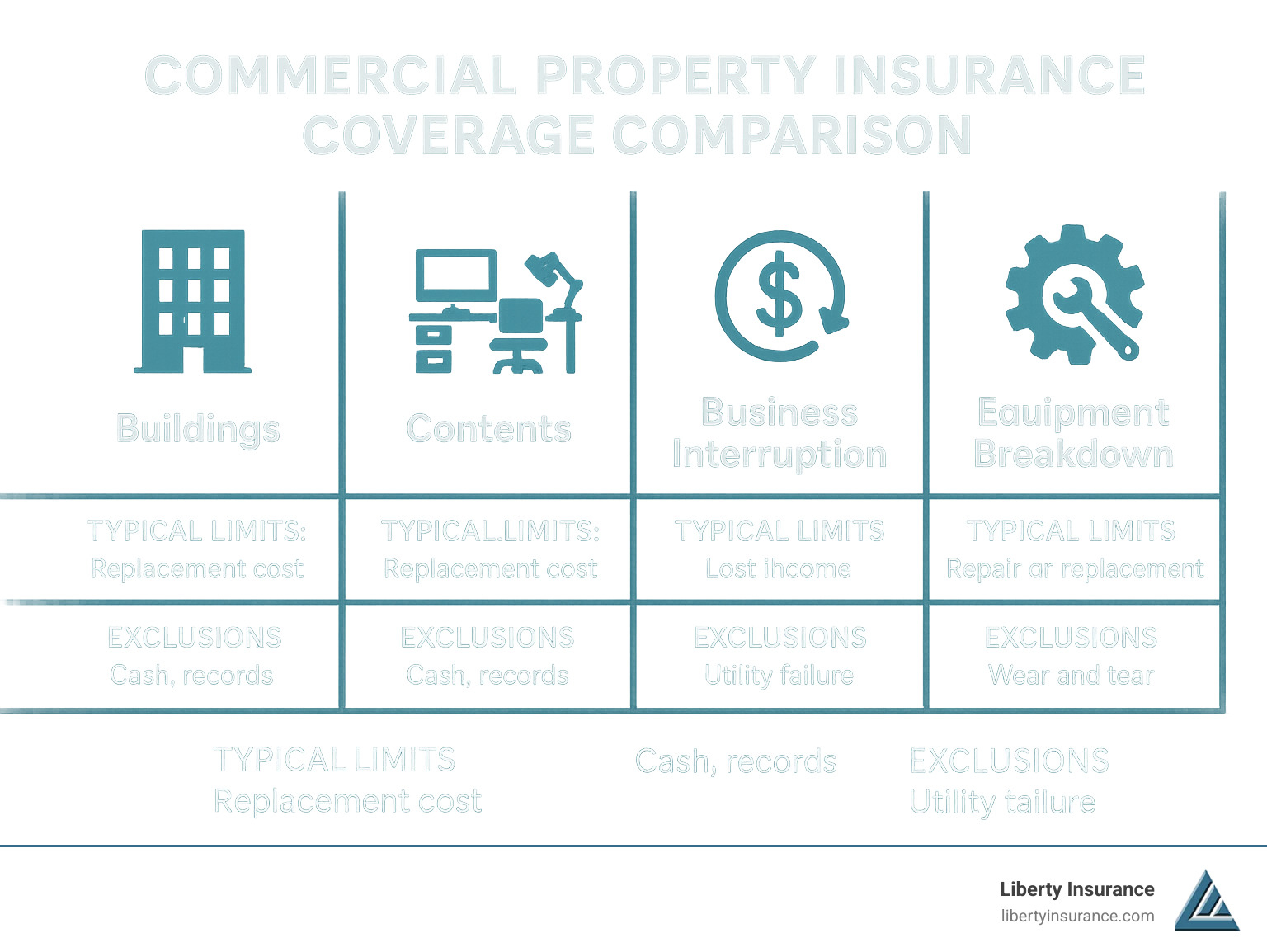
- Business Interruption Insurance: Compensates for lost income during disasters.
Common Risks Small Businesses Face
Every small business encounters risks. Data breaches can compromise sensitive information, leading to severe financial consequences. Natural disasters, like hurricanes and floods, can cause significant damage to your property and halt operations.
Pro Tip: Assess your business’s unique risks to determine which insurance types are most relevant for you.
Legal liabilities are another major concern. A single lawsuit can financially cripple a small business without the right protection. Here is the deal: Identifying these risks early on and securing appropriate insurance is key to safeguarding your venture.
Key Components of a Small Business Insurance Policy
Did you know that nearly 40% of small businesses never reopen after a disaster? Shocking, right? That’s why having the right insurance policy is a game-changer.
Every small business insurance policy is like a safety net for your enterprise. It includes several crucial elements that protect against various risks. But what exactly are these components?
Understanding Liability Coverage
Liability coverage is the backbone of any small business insurance policy. It protects you from the legal costs and damages if your business is ever sued. Imagine a customer slipping in your store and filing a lawsuit. Without liability coverage, you could be paying out of pocket.
General liability insurance covers bodily injury, property damage, and even personal injuries like libel. It’s essential for any small business that interacts with customers or clients.
The Crucial Role of Property Insurance
What would happen if fire, theft, or vandalism struck your business premises? That’s where property insurance steps in. It safeguards your business property, including the building, equipment, and inventory.
Property insurance is non-negotiable if you want to secure your business assets. It ensures you can bounce back without financial devastation, keeping your business operational no matter what.
Pro Tip: Always check your policy for coverage limits and exclusions to avoid surprises when you need it most.
Understanding Commercial Insurance Needs

Did you know that 40% of small businesses have never been insured? That’s a risky move! You need to understand your commercial insurance needs before it’s too late.
Your business is unique. And so are your insurance needs. But what exactly determines these needs? Let’s unpack this.
Key Factors Determining Insurance Needs
Several factors influence the type of insurance your business should consider. First, think about the nature of your business activities. Are there inherent risks involved? Next, consider the physical location of your business. Natural disasters anyone?
Step #1: Assess your business assets. This includes property, equipment, and even your workforce. Step #2: Understand your financial standing. More assets mean more coverage. Finally, Step #3: Check your industry regulations. Some industries require specific insurance types by law.
Checklist for Assessing Commercial Insurance Requirements
Before you purchase insurance, you need a plan. Here’s a handy checklist to help you assess what you need:
- Identify and list all business assets.
- Evaluate potential risks and liabilities.
- Review past incidents or claims.
- Consult industry-specific regulations.
- Consider future business expansions or changes.
Pro Tip: Regularly review and update your insurance needs as your business evolves.
Comparing Commercial Insurance Options
Now that you know what you need, let’s talk options. There are several types of commercial insurance policies available to small businesses.
| Insurance Type | Coverage |
|---|---|
| General Liability | Protects against lawsuits from injuries or damages. |
| Property Insurance | Covers damages to business property and inventory. |
| Commercial Auto | Insurance for vehicles used by the business. |
| Workers’ Compensation | Covers employee injuries on the job. |
Here is the deal: Don’t skimp on coverage just to save a buck. The right insurance can save your business from financial ruin!
Benefits of Having Adequate Small Business Insurance
Did you know that 40% of small businesses face financial ruin after a disaster? That’s where small business insurance comes in. It’s a lifeline that can keep your business afloat when the unexpected happens.
Insurance isn’t just a safety net; it’s a vital investment in your business’s future. Without it, you could be one accident away from closing your doors.
Protecting Financial Assets
Your business is an asset, and protecting it should be a top priority. Small business insurance safeguards your financial assets by covering costs like property damage, liability claims, and even employee injuries. Imagine a fire that destroys your inventory. Without insurance, you’d bear the full brunt of the loss. But with the right policy, you’re covered, and your financial assets remain intact.
Pro Tip: Regularly review and update your insurance policy to ensure it aligns with your current business assets and risks.
Ensuring Business Continuity
Business continuity is all about keeping operations running smoothly, even in a crisis. Insurance plays a crucial role here by providing the funds necessary to recover from disruptions. Whether it’s a natural disaster or a lawsuit, insurance means you can bounce back faster and keep your doors open.
Consider a scenario where a burst pipe floods your office. With adequate coverage, you can quickly cover repairs, replace equipment, and resume operations without a hitch.
Choosing the Right Insurance Provider
Choosing an insurance provider can be overwhelming. But here’s the shocker: 40% of small businesses don’t have the right coverage because they pick the wrong insurer. Let’s make sure you’re not one of them.
Here’s the deal: Selecting a reliable insurance provider isn’t just about price. It’s about finding a partner who will stand by you when things go south. You need someone who understands your business needs and can offer tailored solutions.
Design a Strategy for Selecting a Reliable Insurance Provider
Step #1: Research and Compare. Start by making a list of potential providers. Look at their history, market reputation, and the specific coverage options they offer. A little due diligence goes a long way.
Step #2: Check Licensing and Accreditation. Ensure the provider is licensed to operate in your state. Accreditation from organizations like the Better Business Bureau can also be a trust signal.
Pro Tip: Always check if the provider is involved in any industry-specific associations. It shows they are committed to staying updated on industry trends and regulations.
Evaluate the Credibility of Insurance Companies
Evaluating credibility isn’t just a checkbox exercise. Look for companies with a track record of financial stability. Use ratings from agencies like A.M. Best or Standard & Poor’s to assess their financial health.
Read reviews but take them with a grain of salt. Focus on patterns rather than isolated complaints. Consistently poor customer feedback is a red flag.
| Criteria | Why It Matters |
|---|---|
| Financial Ratings | Indicates the company’s ability to pay claims |
| Customer Reviews | Provides insight into customer service and claims process |
| Licensing | Ensures legal operations in your location |
Importance of Customer Service and Claims Handling
Here’s the deal: Even the best policy is useless if the claims process is a nightmare. Fast and fair claims handling can be a lifesaver when you’re in a pinch.
Customer service is your go-to support when you need to adjust coverage or have questions. Choose a provider that offers 24/7 support. You don’t want to be left hanging when you need help the most.
Visit the provider’s website or call their customer service line to gauge responsiveness and professionalism. A quick response can be more telling than a flashy ad.
Cost Management and Insurance Premiums
Did you know that 30% of businesses overpay for insurance? It’s true. Most business owners focus on coverage but forget about controlling costs.
Here is the deal: managing your insurance premiums effectively can save you thousands without sacrificing protection. Let’s dive into some cost-saving methods and negotiation tactics you can use right now.
Methods for Managing Insurance Costs
Managing insurance premiums doesn’t have to be a headache. Start by bundling policies. Many insurers offer discounts if you combine different types of coverage, like general liability and property insurance. Also, increase your deductible. A higher deductible means a lower premium, but make sure you have the cash reserve to cover it if needed.
Pro Tip: Regularly review your insurance needs. Business changes can mean you’re over-insured or under-insured.
Another effective method is risk management. Implement safety measures and employee training to reduce claims, which can lead to lower premiums.
Negotiating Insurance Premiums
Want to pay less? Negotiate your premiums. Step #1: Gather quotes from multiple providers. This gives you leverage. Step #2: Ask your current insurer to match or beat the lowest quote you found. Don’t be afraid to negotiate terms like payment frequency for more savings.
Regularly updating your policy can also pay off. As your business evolves, make sure your coverage reflects your current needs to avoid paying for unnecessary coverage.
Comparison of Insurance Premium Rates
Understanding the landscape of insurance premium rates is crucial. Here’s a quick comparison:
| Type of Coverage | Average Monthly Premium | Typical Deductible |
|---|---|---|
| General Liability | $50 | $500 |
| Commercial Property | $75 | $1,000 |
| Business Owner’s Policy (BOP) | $100 | $1,000 |
| Workers’ Compensation | $120 | $1,500 |
These rates vary based on your industry, location, and specific business needs. But knowing the averages can help you identify overpricing.
Conclusion
As we wrap up this deep dive into the world of small business insurance, remember: it’s not just about ticking a box. It’s about embracing a strategy that safeguards your hard work, your dreams, and your financial future. Choosing the right insurance is like picking the perfect partner – it supports you, protects you, and helps you thrive when times get tough.
So, as you step forward in your entrepreneurial journey, equip yourself with the knowledge and power of the right insurance coverage. After all, peace of mind isn’t just a luxury; it’s a necessity. Here’s to your business’s success, safeguarded by the best in the insurance game!
FAQ
What are the three main types of small business insurance?
The three main types of small business insurance are liability insurance, property insurance, and workers’ compensation insurance.
Why is liability coverage crucial for small businesses?
Liability coverage protects your business from financial losses due to claims of injury, damage, or negligence, which can otherwise be very costly.
How does property insurance benefit a small business?
Property insurance covers the physical assets of your business, such as the building, equipment, and inventory, against risks like fire, theft, or natural disasters.
What factors affect the insurance needs of a small business?
Factors include the industry type, the number of employees, the physical location, and the value of business assets.
How can a small business manage insurance costs effectively?
Businesses can manage costs by shopping around for competitive rates, opting for higher deductibles, and bundling different types of insurance.
What should I look for in a reliable insurance provider?
Look for a provider with a strong reputation, excellent customer service, and a history of efficient claims handling.
Can small business insurance help in business continuity?
Yes, insurance can provide financial support during unforeseen disruptions, helping your business recover and continue operations smoothly.
