Starting a small business can feel like navigating a minefield. You’ve got decisions to make left and right, and one misstep can cost you big time. But here’s the deal: one of the smartest moves you can make is getting the right insurance. Why? Because small business insurance isn’t just a safety net—it’s your business’s best friend, saving you from financial disasters you didn’t even see coming.
The world of small business insurance might seem overwhelming at first glance, but with a bit of guidance, it’s less of a beast and more of a best friend. From potential lawsuits to unexpected disasters, the right insurance can mean the difference between staying afloat and sinking without a trace. So, buckle up, because we’re diving into the essentials of 3 small business insurance types that could very well be the lifeline your startup needs.
Introduction to Small Business Insurance
Did you know that 40% of small businesses will file an insurance claim in the next ten years? That’s why small business insurance isn’t just a “nice-to-have”—it’s a necessity.
When you’re running a startup, every penny counts. But what happens when your business faces a lawsuit or a natural disaster strikes? Without insurance, you could be left footing the bill. Let’s dive into the types of insurance your small business needs to stay protected.
The Types of Insurance for Your Small Business
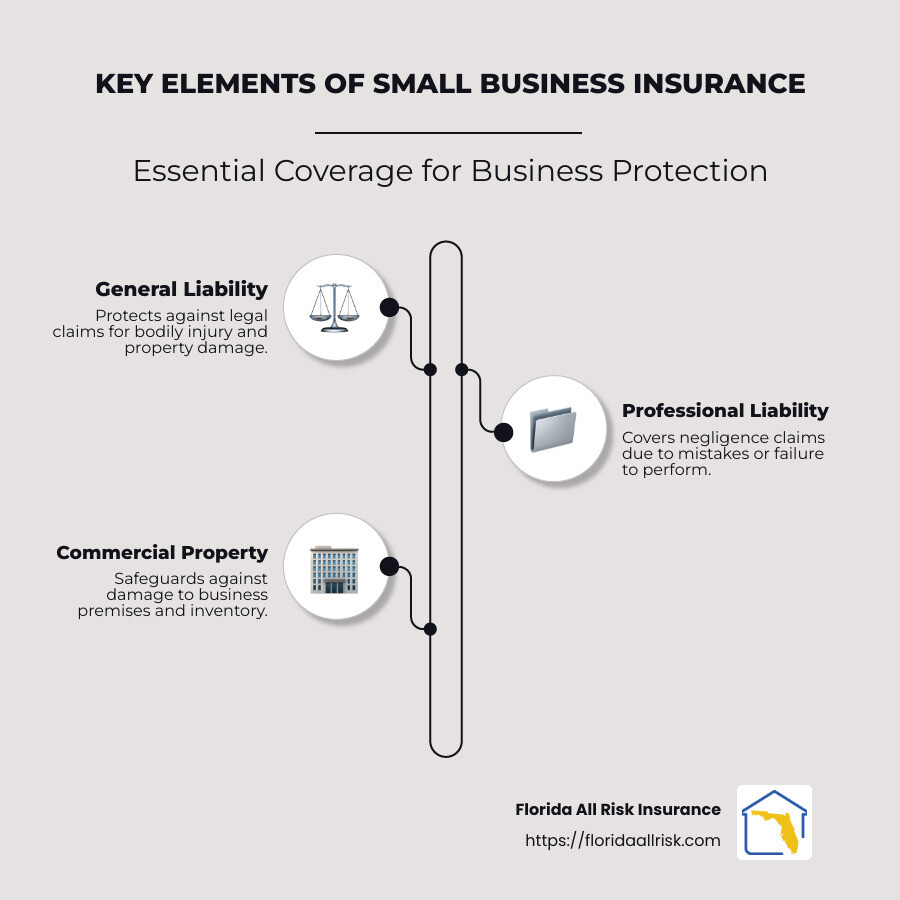
Every business is unique, but there are core insurance types most small businesses should consider. These include General Liability Insurance, which covers third-party claims of bodily injury or property damage. Then there’s Professional Liability Insurance, essential for service providers who could face claims of negligence or mistakes. Don’t forget about Business Property Insurance, which protects your physical assets from fire, theft, and more.
- General Liability Insurance: Covers third-party claims.
- Professional Liability Insurance: Protects against service errors.
- Business Property Insurance: Safeguards your physical assets.
Here’s the deal: you might think that premium costs are high, BUT the average liability claim is a whopping $15,000. So, think of your premiums as an investment in your peace of mind.
Trends in the Small Business Insurance Market
The small business insurance market is growing, thanks to the rise of online platforms that make it easier for startups to compare and purchase policies. In fact, the market is expected to reach $70 billion by 2024. What does this mean for you? More options and competitive prices.
Pro Tip: Always compare at least three different insurance quotes to ensure you’re getting the best deal for your business.
This surge in options means you can tailor coverage to fit your specific needs without breaking the bank. Remember, the right insurance can be the difference between thriving or closing your doors when unexpected challenges arise.
Types of Small Business Insurance

Did you know that one in three small businesses will face a liability lawsuit at some point? Crazy, right? This is where the right insurance makes all the difference.
Whether you’re running a boutique bakery or a tech startup, understanding the different types of small business insurance is crucial. Let’s dive into the specifics of general liability, professional liability, and property insurance.
General Liability Insurance
General liability insurance covers a variety of claims, including bodily injury, property damage, and advertising injury. It’s a must-have for almost every business, but here’s the deal: it doesn’t cover everything.
General liability protects you from third-party lawsuits, which can be a lifesaver. BUT, it won’t cover employee injuries or professional mistakes.
| Insurance Type | Coverage | Pros | Cons |
|---|---|---|---|
| General Liability | Third-party bodily injury, property damage, and advertising injury. | Wide-ranging protection, peace of mind. | Doesn’t cover professional errors or employee injuries. |
Professional Liability Insurance
Professional liability insurance, also known as errors and omissions insurance, covers claims of negligence or failure to perform. If you’re providing expert advice or services, this insurance is your best friend.
It protects your business from costly litigation over mistakes or perceived mistakes. BUT, it doesn’t cover intentional wrongdoing or general liabilities.
| Professional Liability | Claims of negligence, failure to deliver services. | Crucial for service-based businesses, covers professional errors. | Doesn’t cover intentional acts or general liabilities. |
Property Insurance
Property insurance covers damage to your physical assets, like buildings and equipment. If a fire or theft occurs, this policy helps you recover and rebuild.
Here’s the kicker: it doesn’t cover flood or earthquake damage, so you’ll need separate policies for those risks.
Pro Tip: Consider bundling policies to save on premiums.
| Property Insurance | Damage to buildings, equipment, and inventory. | Helps recover from disasters, protects physical assets. | Excludes certain disasters like floods and earthquakes. |
Choosing the Right Insurance for Your Business
Did you know that 40% of small businesses have never been insured? That’s a huge risk you don’t need to take. But with so many options, how do you pick the right one?
The key is knowing what matters most for your specific business. This isn’t a one-size-fits-all scenario. You need a tailored approach to protect your assets, employees, and bottom line.
Factors to Consider When Selecting Insurance
Let’s break it down to what really matters. First, think about your business type. Retail, tech, or service — each has its own risks. Next, consider your location. Are you in a flood-prone area? Natural disasters can be a game-changer. Don’t forget your employee count. The more people, the bigger the potential for claims. And what about your assets? Expensive equipment needs more coverage.
Here is the deal: skimping on coverage to save money can cost you big time later. You need to balance your budget with adequate protection.
Assessing Your Business’s Insurance Needs
Step #1: Audit your business operations. List out everything from daily transactions to how you manage data. Step #2: Evaluate potential risks. Are you at risk for cyber threats or physical accidents? Step #3: Match your findings with insurance types: general liability, professional liability, property insurance, and so on.
Pro Tip:
Don’t just take a DIY approach. Consult with an insurance expert who knows your industry inside out.
They can spot vulnerabilities you might miss.
Flowchart for Selecting the Best Insurance Plan
Visual aids can simplify complex decisions. Follow this flowchart to zero in on the right insurance.
| Question | Yes | No |
|---|---|---|
| Do you have employees? | Consider Workers’ Compensation | Skip Workers’ Compensation |
| Do you own or rent business property? | Look into Property Insurance | Focus on Liability Coverage |
| Is your business online? | Evaluate Cyber Liability Insurance | Concentrate on General Liability |
Each decision helps tailor your coverage to fit your unique needs — cutting down on unnecessary costs and focusing on essential coverage.
Cost Considerations and Budgeting
Thinking about insurance costs can be overwhelming. You might even wonder if it’s worth the investment. But did you know that 40% of small businesses never reopen after a disaster? That’s why understanding the cost factors affecting your premiums is crucial.
Insurance premiums aren’t as straightforward as they seem. They’re influenced by a range of factors, including the type of industry you’re in, the size of your business, and your location. Each of these elements can significantly impact what you pay. But that’s not all. Your business’s claim history and the specific coverage options you choose also play a role.
Strategies for Cost Savings
Now you might be wondering: how can I lower these costs without skimping on coverage? Here’s the deal. There are a few strategic moves you can make. Bundling different types of insurance with the same provider can often lead to discounts. Another smart option is increasing your deductible to lower your premium. But remember, this means you’ll pay more out of pocket if a claim happens.
Pro Tip: Regularly review and update your policy to ensure it aligns with your current business needs and risks.
Comparing quotes from multiple insurers is also crucial. You wouldn’t buy the first car you see, right? The same goes for insurance. Shop around to ensure you’re getting the most bang for your buck.
Designing a Sample Budget Plan
Creating a budget for insurance is like setting up guardrails for your finances. Without a plan, costs can spiral out of control. But with a structured approach, you can balance protection with affordability. Here’s a sample breakdown to get you started:
| Insurance Type | Estimated Monthly Cost |
|---|---|
| General Liability Insurance | $50 – $80 |
| Property Insurance | $40 – $60 |
| Workers’ Compensation | $70 – $100 |
| Professional Liability | $30 – $50 |
Incorporate these estimates into your monthly expenses and adjust based on your business size and risk factors. By doing so, you’ll ensure you’re not only compliant but also protected financially.
Legal and Regulatory Aspects
Did you know that over 40% of small businesses face significant fines due to insurance non-compliance? That’s a scary thought. But understanding the legal and regulatory landscape can save you from a costly mistake!
Every region has its own set of insurance laws that small businesses must navigate. Whether it’s mandatory coverage or specific compliance requirements, staying on top of these regulations is crucial for your business’s survival.
Understanding Regional Insurance Requirements
Small businesses operate under a patchwork of regional insurance mandates. Some areas require specific types of insurance, like workers’ compensation, while others may not. If your business operates in multiple locations, this can get tricky. Here’s the deal: you need to become familiar with the laws in each area where you do business. It’s the only way to ensure you’re not caught off guard by regional differences in insurance requirements.
Compliance and Regulatory Considerations
Compliance isn’t just about avoiding fines; it’s about protecting your business. Regulatory agencies often audit small businesses to ensure compliance. This means you need to have your paperwork in order and your coverage up to date. But here’s the kicker: regulations change frequently. You need a system to keep track of updates to stay compliant.
Pro Tip: Regularly review your insurance policies with a legal expert to ensure you’re not missing any new changes. This simple step can save you from potential legal headaches down the road.
A Case Study in Insurance-Related Legal Issues
Consider a bakery in California that neglected to update its insurance to include earthquake coverage. An unexpected tremor caused significant damage, and the business faced a financial crisis. It’s a stark reminder that ignoring regional risks can be costly. The bakery had to navigate legal battles with insurers, ultimately facing penalties for non-compliance with state insurance requirements.
In this case, a proactive approach to understanding and updating insurance coverage based on evolving legal requirements would have saved a ton of stress and financial strain.
Risk Management and Insurance
Did you know that 40% of small businesses never reopen after a disaster? That’s a staggering number. And it’s exactly why risk management is crucial. Risk management and insurance go hand-in-hand, like peanut butter and jelly. You can’t have one without the other.
Here’s the deal: Risk management is all about identifying potential pitfalls that could crush your business. Insurance is your safety net. It doesn’t stop the fall, but it cushions the impact. Together, they form a strategy that keeps your business resilient. Let’s dive into how you can effectively leverage insurance to manage risks.
Evaluating and Mitigating Risks Through Insurance
First things first, how do you evaluate risks? You need to pinpoint what could go wrong. Then, measure how likely it is to happen and how severe the impact would be. Here’s where insurance steps in. You can transfer some of these risks by getting insured. For instance, property insurance can cover damages from natural disasters, while liability insurance protects against lawsuits.
But don’t just stop at buying insurance. Mitigate risks by implementing safety measures and protocols. It’s like having a backup parachute—better safe than sorry.
- Conduct regular risk assessments.
- Invest in employee training programs.
- Implement cybersecurity measures.
Pro Tip: Always review your insurance policies annually to ensure they align with your evolving business risks.
Effective Risk Management Strategies in Small Businesses
Want to keep your business safe and sound? Then adopt these tried-and-true risk management strategies:
- Diversify your product line to spread out risk.
- Build an emergency fund to cover unexpected expenses.
- Regularly update safety protocols and ensure compliance with regulations.
By integrating these strategies with your insurance policy, you’re building a fortress around your business. Sure, no strategy is foolproof. But with sound risk management, you’re far more likely to weather any storm.
Final Summary
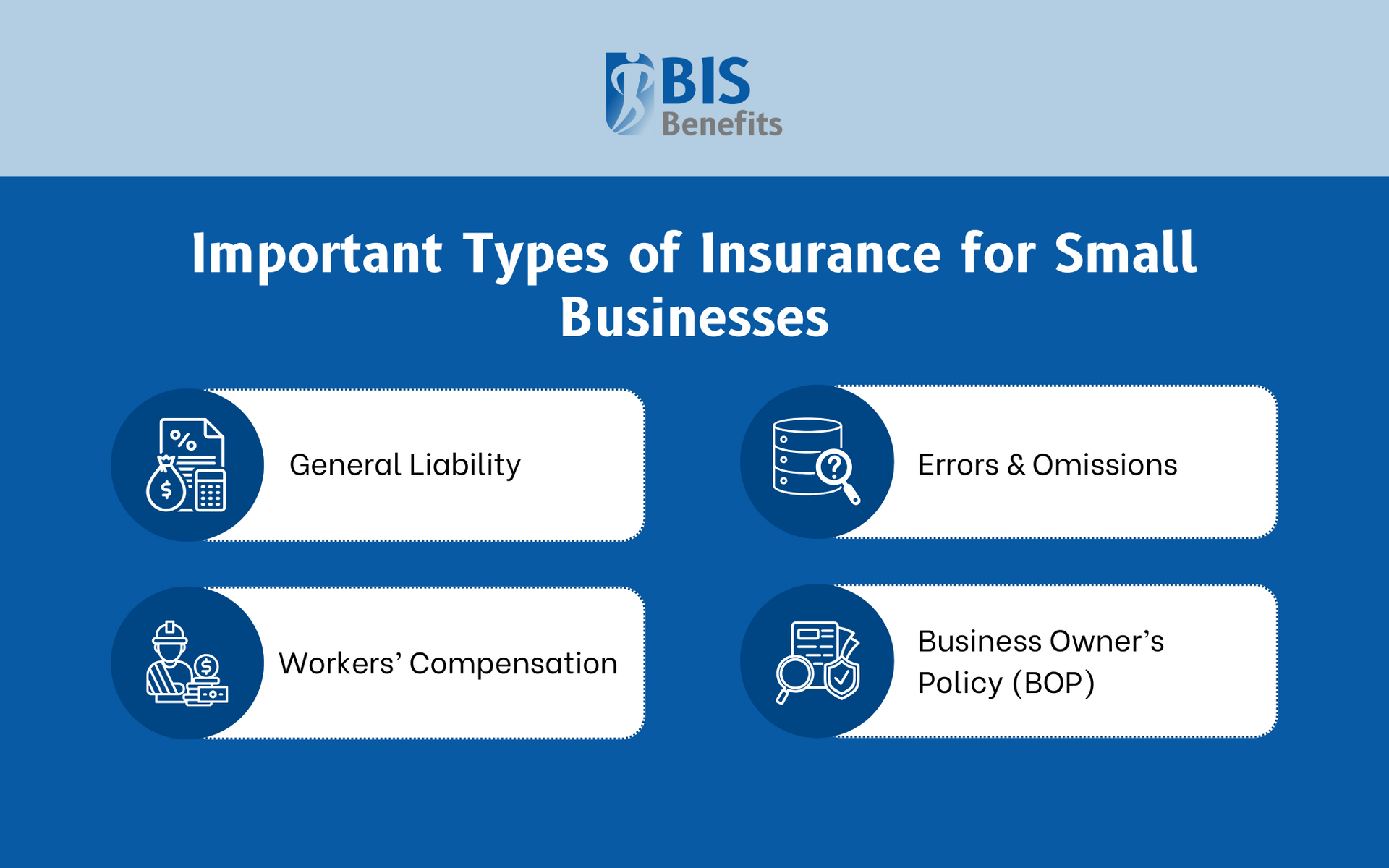
Wrapping up, choosing the right insurance for your small business is more than just ticking a box on your to-do list—it’s a strategic decision that can safeguard your business’s future. By understanding the types of insurance available and aligning them with your unique needs, you’re not just protecting your assets; you’re investing in peace of mind. So, take the time to assess your options, make informed choices, and rest easy knowing your business is covered.
FAQ
What is general liability insurance?
General liability insurance covers third-party claims of bodily injury, property damage, and advertising injury, providing financial protection against lawsuits.
Why do small businesses need professional liability insurance?
Professional liability insurance protects businesses from claims of negligence or errors in professional services, crucial for service-based industries.
How does property insurance benefit small businesses?
Property insurance covers damage to physical assets like buildings and equipment, essential for businesses with physical premises or valuable equipment.
What factors should I consider when choosing small business insurance?
Consider your business type, potential risks, budget, and legal requirements when selecting insurance to ensure comprehensive coverage.
Are there ways to save on small business insurance premiums?
Yes, strategies include comparing quotes, bundling policies, improving risk management, and opting for higher deductibles to reduce premium costs.
